Accepting online payments across Africa, Europe and Asia
Customers pay the way they are used to paying. Here is how to offer the right methods in each region without building three different checkouts.
By the Mectzi team
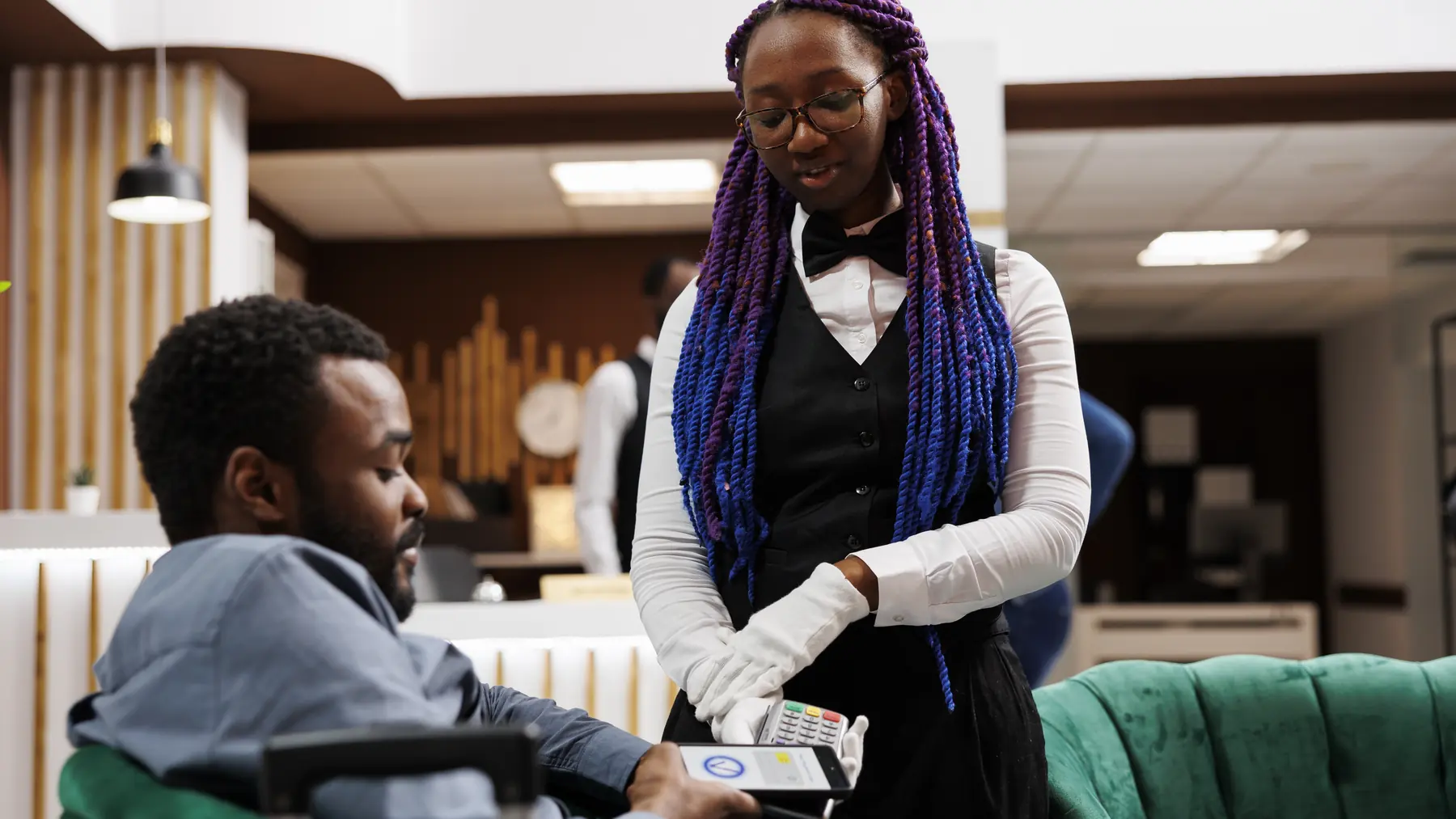
A business that sells across regions quickly finds that there is no single way people pay. Cards dominate in some markets, mobile money in others, and bank transfers or digital wallets elsewhere. Offering the methods your customers already trust is one of the simplest ways to sell more.
Know how your customers pay
- In East Africa, mobile money such as M-Pesa is part of daily life.
- Across West and Southern Africa, providers such as Paystack and Flutterwave accept cards, bank transfers and mobile money through one integration.
- In Europe, cards and wallets lead, and providers such as Stripe and Adyen cover most local methods.
- In Asia, local specialists matter: Razorpay for India and Xendit for Indonesia, the Philippines and much of South-East Asia.
Global options such as PayPal are familiar to many buyers, but they rarely replace local methods. Check each provider’s list of supported countries, such as Stripe’s global availability, before you commit.
One checkout, several providers
You don’t need a separate website for each region. A well-built checkout can show the right payment methods based on the customer’s country and currency, route each payment to the right provider, and record every sale in one place for your accounts.
Compare more than the headline fee
- Transaction fees, and extra fees for international cards or currency conversion.
- How quickly money reaches your bank account, and in which currency.
- Refunds, disputes and chargebacks: how they work and what they cost.
- The quality of documentation and support when something goes wrong.
Security and regulation
Never store card numbers yourself. Use your provider’s hosted payment fields so card data never touches your servers, which keeps you within the PCI security standards. In Europe, most online card payments need Strong Customer Authentication, an extra confirmation step that modern providers handle for you.
Start simple
Begin with the provider that covers most of your customers, launch, and look at the data. Add a second provider when you see customers dropping off at checkout in a particular country.
Want this applied to your business?
Book a free 30-minute consultation. You will leave with a clearer picture, whether or not we work together.
Book a free consultationMore insights

Five signs your business is ready for AI automation
AI pays off when it removes real, repeated work. Here is how to spot that work in your own business.
Read the article
Automating customer service on WhatsApp without losing the human touch
Your customers already message you on WhatsApp. Here is how to answer them in seconds, day and night, and still sound like you.
Read the article